
Fibre intake for babies – what you need to know!
)
Why is including fibre in our diet so important?
- Promotes healthy digestion
A balanced intake of fibre promotes healthy digestion by adding bulk to the stool, which helps keep things moving smoothly and prevents constipation (a common hurdle when starting solid foods!)
- Supports gut health
Some sources of dietary fibre act as prebiotics, feeding beneficial bacteria in your baby's gut and helping to support healthy digestive systems.
- Keeps them fuller for longer
For slightly older babies and toddlers, fibre can help keep little tummies feeling fuller for longer! High-fibre foods, such as fruits, vegetables and wholegrains, are also packed with essential vitamins and minerals to support your little one's growth and development.
How much fibre does my baby need?
There is often some confusion around how much fibre babies and toddlers should have. Whilst a high fibre diet is good for adults, too many high fibre foods can fill up a baby’s small tummy without getting the nutrients they need to grow and develop.
There is no daily fibre recommendation for children under two in the UK but it is advised to offer a mixture of white and wholegrain starchy foods rather than exclusively wholegrain foods to children under two, as high-fibre foods can fill them up before they have eaten enough.
If you are offering your baby lots of different foods then they will likely be getting the right balance of fibre as well as those other essential nutrients.
Here are some examples of weaning foods that provide good sources of fibre for growing babies:
- Broccoli
- Lentils
- Sweetcorn
- Oats
- Pear
- Chickpeas
- Sweet Potato
- Seeds (finely ground)
- Strawberries
Can fibre help with my baby’s constipation?
Including fibre-rich foods such as fruit, vegetables and pulses in your baby's diet can certainly help support healthy bowel movements. However, constipation can have several causes, so it's important to consider your baby's overall diet and fluid intake.
However, too much fibre can cause a few hiccups, such as tummy troubles, diarrhoea, constipation, and even make it harder for their little bodies to absorb important nutrients. To strike the perfect balance, introduce fibre gradually, mix it up with a variety of foods and remember to keep them hydrated! Fibre needs water to work its magic. Make sure your baby is drinking enough fluids, particularly if they’re eating more fibre. Always offer a cup of water with their meals. This way, your baby can enjoy all the benefits of fibre without any fuss.
Which foods are high in fibre?
Beans and pulses
Beans and pulses are very good sources of protein, iron and fibre, and the type of fibre which is good for your baby’s bowels and heart. You can include in their diet from around 6 months, when your baby starts eating solid foods.
Fruits and vegetables
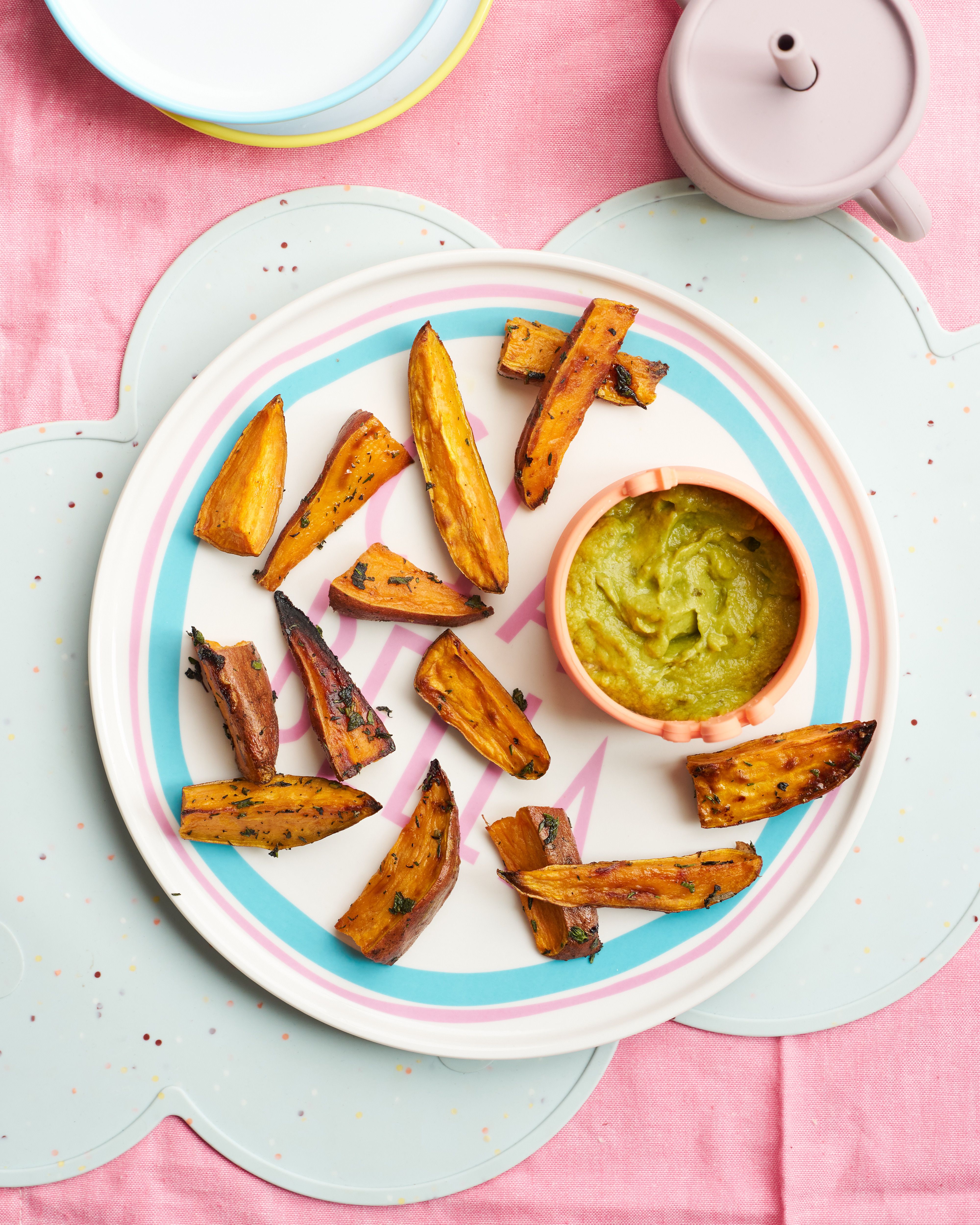
When starting to wean, you should always take the skin off fruit and many vegetables. The skin introduces a new texture, which can be difficult to manage and the fibre content is also quite high. From around 8 - 10 months of age, when your baby has got to grips with finger foods and their digestive systems have matured slightly, you can, where appropriate, gradually offer fruit and vegetables with their skins such as sweet potato, nectarine, ripe pear and peach.
Wholegrains such as brown bread, pasta and rice
With foods like bread, pasta and rice, offer a mix of both white and wholegrain. Wholegrain bread for example, is a fantastic source of fibre, but too much fibre can be a little bit bulky and too filling for babies. It can even inhibit their appetite and also reduce the absorption of key nutrients, so it’s best to alternate between the two and enjoy both.

Here are some easy meal and snack ideas to include fibre in your baby’s diet from 6 months:
- Porridge or Weetabix with fruit (pureed, mashed or finely chopped depending on your baby’s individual development)
- Wholegrain fingers of toast with choice of toppings
- Avocado wedges coated in ground flaxseeds (or puree with ground seeds stirred through)
- Full fat natural or Greek yoghurt with chia seeds and fruit (mashed or blended)
- Ripened fruit such as banana or pear (as finger food or pureed)
- Jacket potato and beans (served in an age appropriate way)
Introducing a variety of fibre-rich foods is a great way to support your baby's digestive health as they explore new tastes and textures. Remember, it's all about balance! Offer a range of fruits, vegetables, pulses and wholegrains, alongside their usual milk feeds, and gradually introduce new foods as your baby develops.
If you're concerned about your baby's bowel movements or constipation, speak to your health visitor or GP for advice.
Packed with 1,500+ nutritious recipes and simple ideas for every age, stage and occasion, Annabel Karmel's recipe app is an everyday essential for stress-free mealtimes, whether you're feeding baby, toddler or the whole family,

Get your 1st month FREE with code OLYMPIA2026